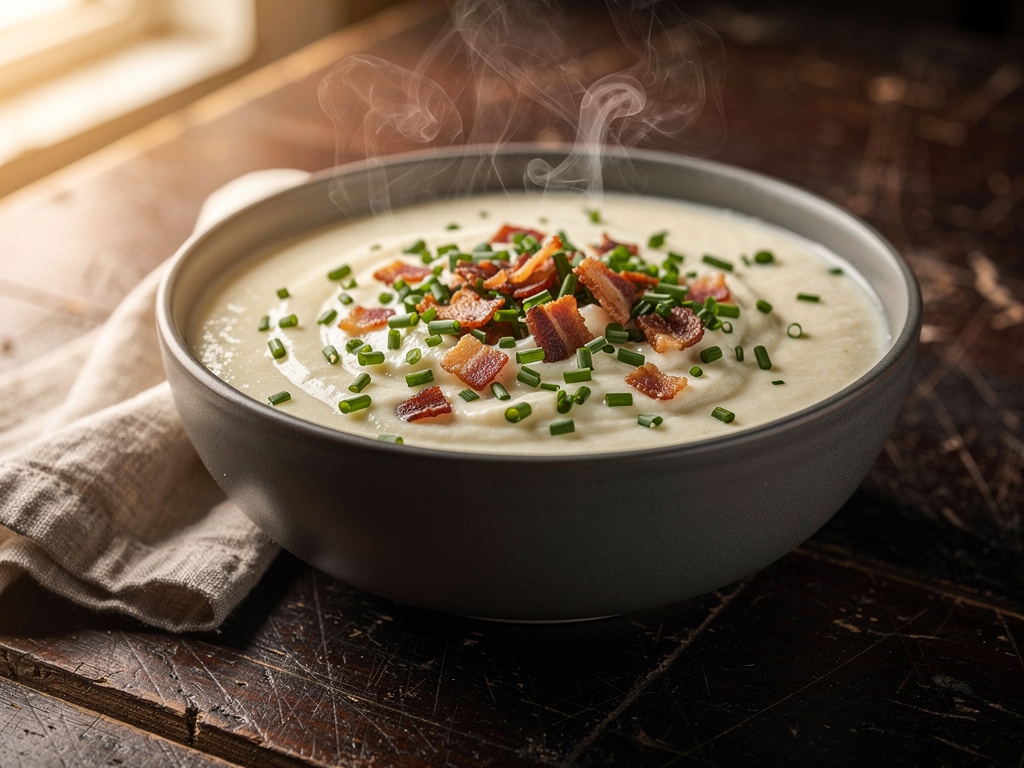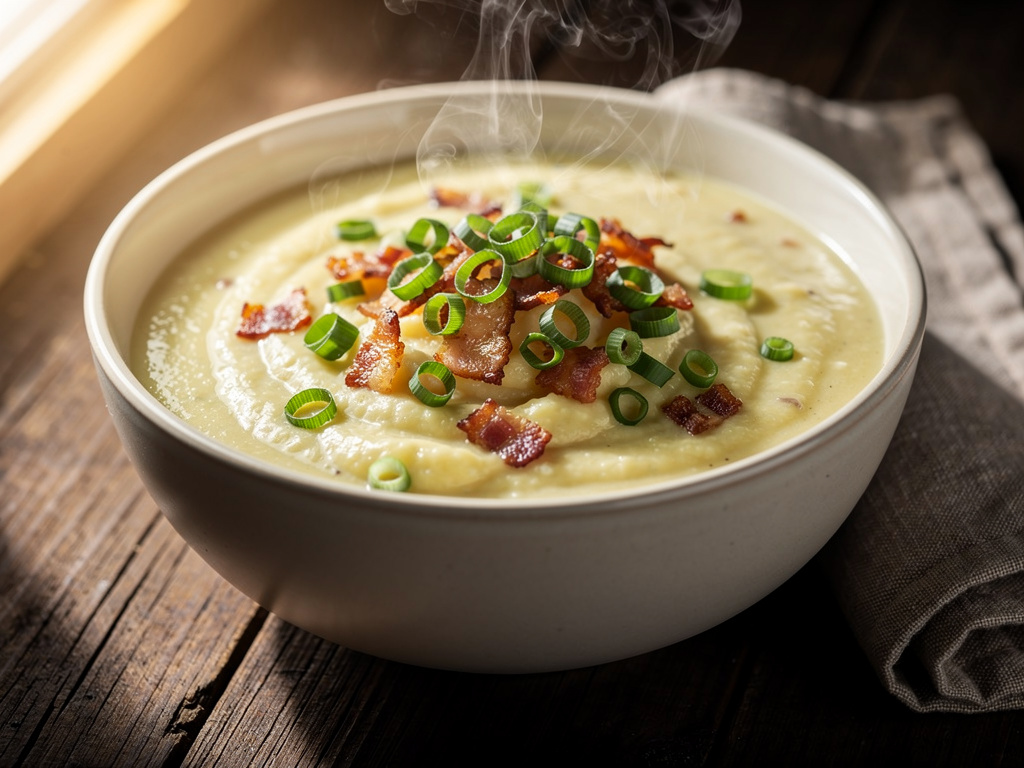
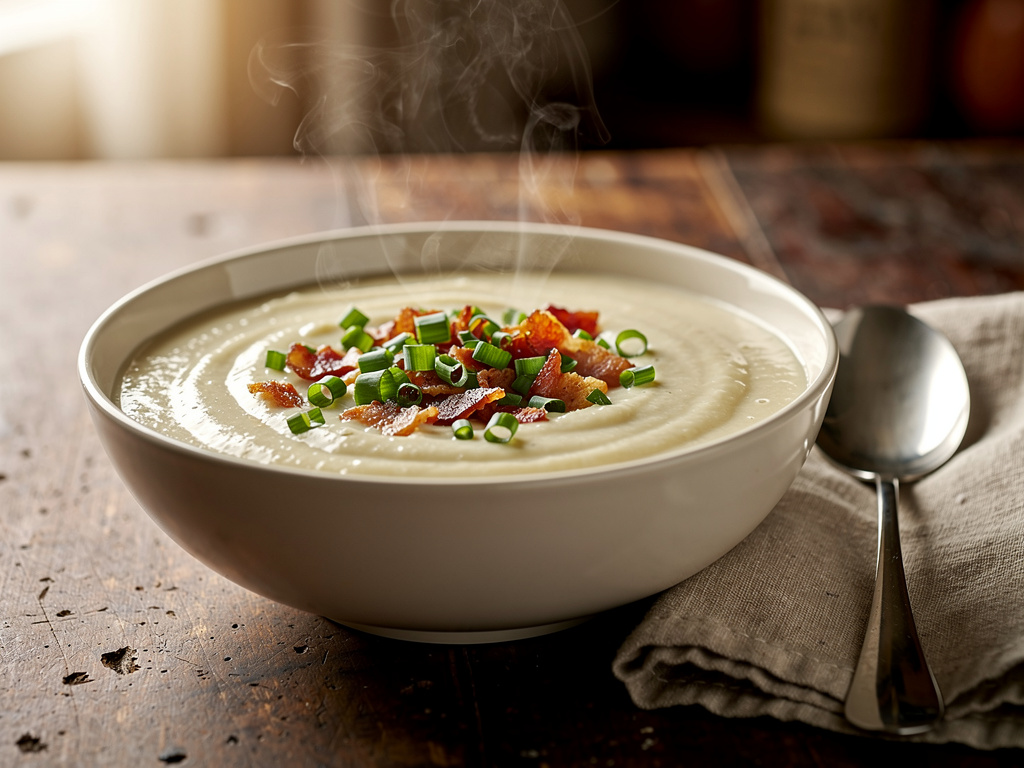
There's something utterly captivating about fingerling potatoes that transforms an ordinary soup into an extraordinary culinary experience. Unlike their larger russet cousins, these petite, elongated beauties bring a unique charm to the bowl—their naturally creamy texture and sweet, earthy flavor create a soup that's both rustic and refined. When you bite into tender pieces that have been lovingly simmered in rich chicken broth, you'll discover why this fingerling potato soup has become a cherished comfort food for discerning home cooks.
This elegant soup draws inspiration from European farmhouse cooking, where resourceful cooks transformed simple ingredients into nourishing masterpieces. The technique of leaving some potatoes whole while allowing others to break down naturally creates a beautiful textural contrast that sets this recipe apart from typical pureed potato soups. The addition of delicate shallots instead of harsh onions, paired with the subtle anise notes of fresh chervil, elevates this humble tuber into something truly special.
The Magic of Partial Breakdown Technique
What makes this fingerling potato soup truly exceptional is the intentional textural variation achieved through careful timing and technique. By halving the fingerlings and simmering them for exactly 20 minutes, some pieces naturally break apart while others maintain their shape, creating a soup that's both creamy and chunky. This method eliminates the need for heavy cream throughout—instead, the potato starches naturally thicken the broth, while the final addition of cream provides just enough richness without masking the potatoes' delicate flavor. The result is a soup with incredible depth and mouthfeel that feels both homestyle and sophisticated.
Key Ingredients & What Makes Them Special
Fingerling potatoes are the undisputed stars of this recipe, and their unique characteristics make them irreplaceable. These small, waxy potatoes contain less starch than baking potatoes but more than true waxy varieties, making them perfect for soups where you want some breakdown for thickening but not complete dissolution. Their thin, tender skins add earthiness and nutrition—no peeling required. The natural sugars in fingerlings caramelize slightly during cooking, contributing a subtle sweetness that balances beautifully with the savory chicken broth.
Fresh chervil deserves special recognition as the herb that transforms this soup from good to extraordinary. Often called "gourmet parsley," chervil brings delicate notes reminiscent of tarragon and anise, complementing the potatoes' earthiness without overwhelming their subtle flavor. Unlike hardier herbs that can be added early in cooking, chervil's delicate nature requires last-minute addition to preserve its bright, complex flavor profile.
Pro Tips for the Best Results
- Choose uniform-sized fingerlings for even cooking—aim for potatoes roughly 2-3 inches long and similar width
- Don't rush the shallot base—cooking them until truly translucent (about 5 minutes) develops sweetness and prevents any sharp, raw flavor
- Use room temperature cream when adding to prevent curdling, and stir it in off the heat for silky incorporation
- Save some chervil for garnish—its beautiful feathery leaves add visual appeal and a fresh aromatic hit to each bowl
- Taste and adjust seasoning after adding cream—dairy can dull saltiness, so you may need a final seasoning boost
Variations & Substitutions
For a lighter version, substitute half-and-half or whole milk for the heavy cream, though the soup will be less rich. Vegetarians can easily adapt this recipe using high-quality vegetable broth—mushroom broth works particularly well with the earthy potato flavors. If fresh chervil proves elusive, try fresh tarragon (use half the amount) or a combination of fresh parsley with a pinch of dried tarragon. For those following dairy-free diets, cashew cream or a high-quality oat cooking cream can replace the dairy cream, though the flavor profile will shift slightly.
Consider seasonal variations by adding roasted garlic in fall, fresh thyme and bay leaves for a more rustic profile, or even a splash of white wine during the initial cooking phase for added complexity. Some cooks enjoy stirring in crispy bacon bits or pancetta just before serving for a heartier meal.
Serving Suggestions
This fingerling potato soup pairs beautifully with crusty artisan bread or buttery dinner rolls for dipping. For an elegant presentation, serve in warmed bowls with a drizzle of good olive oil, a few fresh chervil sprigs, and perhaps some freshly cracked black pepper. The soup's creamy richness complements crisp white wines like Sauvignon Blanc or Pinot Grigio, while beer lovers might enjoy it with a light wheat beer or pilsner.
Consider serving alongside a simple green salad with vinaigrette to cut through the soup's richness, or pair with grilled cheese sandwiches made with sharp cheddar for the ultimate comfort meal combination.
Storage & Make-Ahead Tips
This soup actually improves overnight as flavors meld and develop, making it perfect for meal prep. Store covered in the refrigerator for up to four days, but hold off adding the cream until reheating to prevent separation. When reheating, warm gently over medium-low heat, stirring occasionally. Add the cream during the last few minutes of reheating and adjust seasoning as needed.
The soup base (without cream and chervil) freezes well for up to three months. Thaw completely before reheating, then stir in fresh cream and herbs. For best results when meal prepping, consider making double batches—the hands-on time is minimal, and having homemade soup ready transforms busy weeknight dinners into something special.
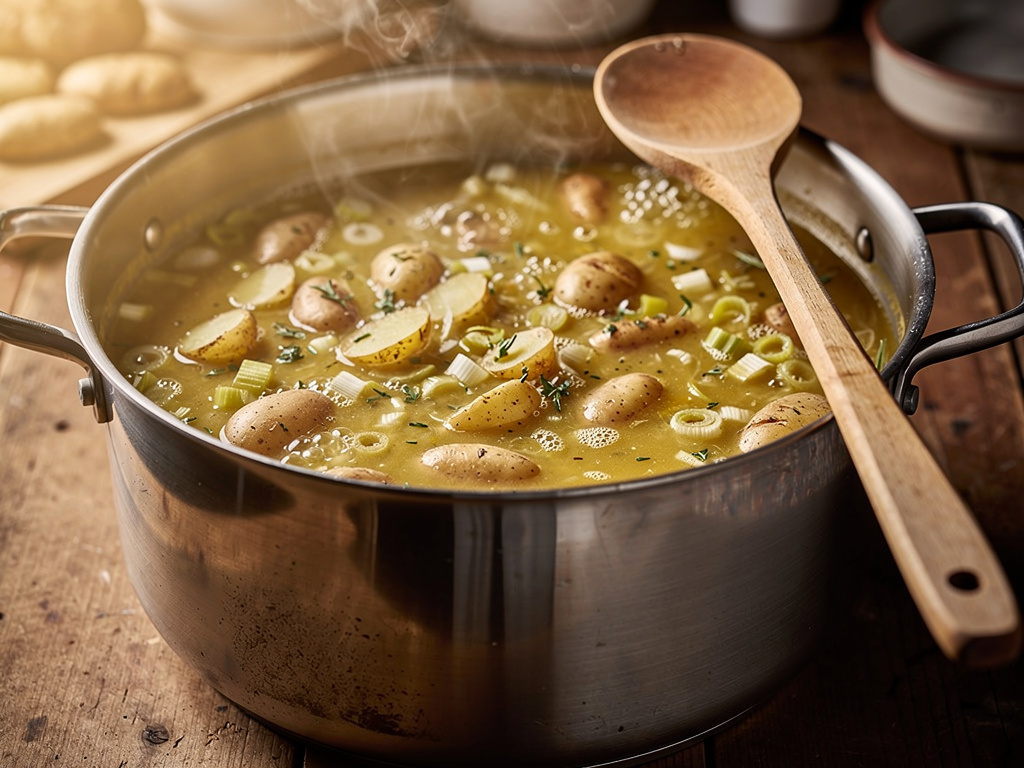
Fingerling Potato Soup
Nutrition per serving
Ingredients
Instructions
- .
- .
- .
- .