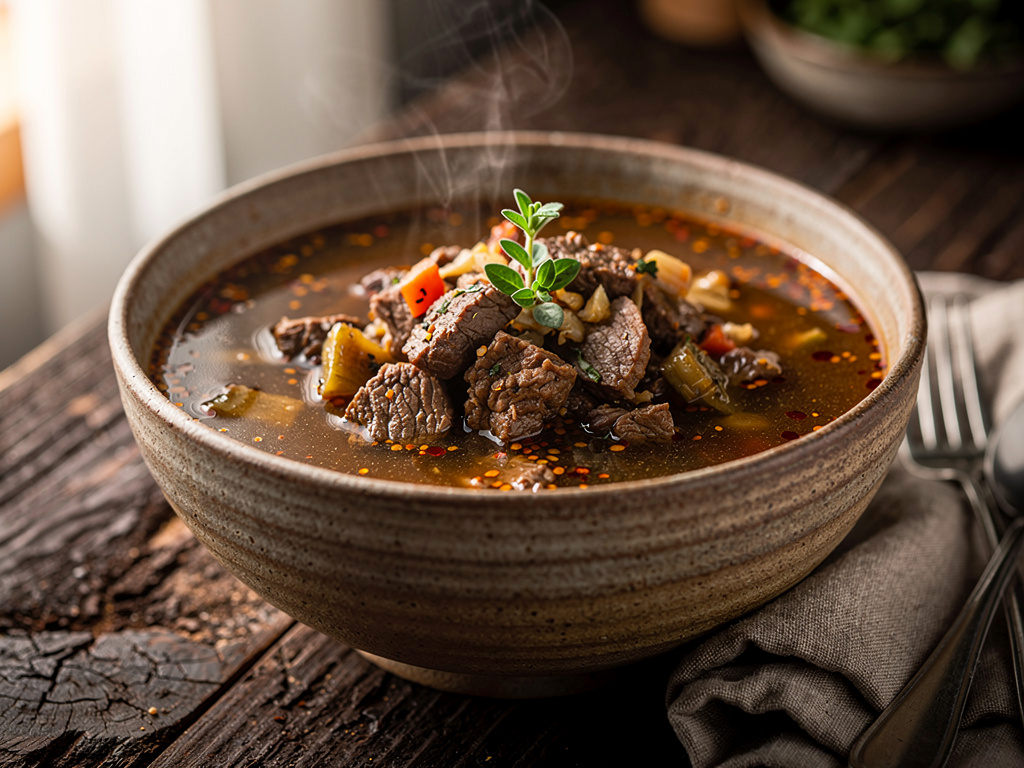
This hot and sour beef soup represents Thai cooking at its absolute finest—a complex, aromatic broth infused with lemongrass, ginger, and coriander root, made bright with fresh lime juice, and crowned with beautifully charred beef fillet. Every spoonful delivers the hallmark Thai balance of hot, sour, salty, and sweet.
Unlike many Western soups that aim for a single dominant flavor, Thai soups are symphonies. The heat from chilli, the sourness from lime, the saltiness from fish sauce, and the sweetness from palm sugar all play together, each element enhancing the others. When you get the balance right, you'll understand why Thai cuisine is beloved worldwide.
Understanding Thai Flavor Balance
The key to any great Thai soup is balance. None of the four key flavors—hot, sour, salty, sweet—should dominate. Instead, they should work in harmony, with each taste detectable but not overwhelming. This recipe provides a starting point, but you should always taste and adjust.
Start with the amounts given, then add more of each element as needed. Too sour? Add a pinch more palm sugar. Lacking depth? Add more fish sauce. Not spicy enough? Add more chilli. The goal is a broth that makes your taste buds dance.
The Art of Infusing the Broth
The secret to an intensely aromatic broth is properly bruising your aromatics. When you press lemongrass, garlic, and ginger with the flat of a knife, you break open the cell walls and release essential oils that would otherwise stay locked inside.
Simmer these bruised aromatics gently—never boil vigorously—for 20 minutes. This extracts maximum flavor without making the broth bitter. The aromatics are then strained out, leaving a clear, intensely flavored broth that's clean and refined.
Coriander Root: The Secret Ingredient
If there's one ingredient that separates good Thai soup from great Thai soup, it's coriander root. This often-discarded part of the cilantro plant has a concentrated, earthy flavor that adds depth you simply can't achieve with leaves alone.
Find coriander root at Asian grocery stores, where cilantro is often sold with roots attached. Wash them well to remove any grit. If you truly can't find it, use the lower stems of cilantro—they have more flavor than the leaves, though still milder than true roots.
Searing the Perfect Beef
The beef in this soup should be charred on the outside and rare inside. This isn't just about preference—it's about technique. The hot broth will continue cooking the beef slightly when you serve it, bringing it to a perfect medium-rare.
Use the best beef you can afford. Eye fillet (tenderloin) is ideal because it's naturally tender. Heat your grill or pan until smoking hot, brush the beef with oil (not the pan), and sear for just 1 minute per side. Let it rest before slicing paper-thin against the grain.
Why Fish Sauce Matters
Fish sauce is the backbone of Thai cooking. Don't be put off by its strong smell in the bottle—when cooked into dishes, it provides deep umami and saltiness that table salt simply can't replicate. Think of it as the Southeast Asian equivalent of Worcestershire sauce or anchovy paste.
Quality matters here. Good fish sauce should have a reddish-brown color and list only anchovies (or other fish) and salt in the ingredients. Avoid brands with sugar or MSG added. Red Boat, Squid, and Three Crabs are reliable choices.
The Role of Palm Sugar
Palm sugar, made from the sap of various palm trees, has a complex caramel-like flavor that white sugar lacks. It helps round out the sharp edges of the lime and fish sauce. If you can't find palm sugar, light brown sugar makes a reasonable substitute.
Fresh Herbs: The Finishing Touch
Thai soups are always finished with fresh herbs—they add brightness and aroma that cooked herbs can't provide. For this soup, we use both mint and coriander leaves. Add them generously; they're not just garnish, they're essential.
The white part of the shallots (spring onions) also goes in at the end, adding a mild onion crunch. Reserve the remaining chilli for those who want extra heat.
Serving and Presentation
Serve this soup in warmed bowls—cold bowls will cool the broth too quickly. Arrange the noodles first, pour over the hot broth, then artfully lay the beef slices on top. Scatter herbs generously and serve immediately while everything is at its freshest.
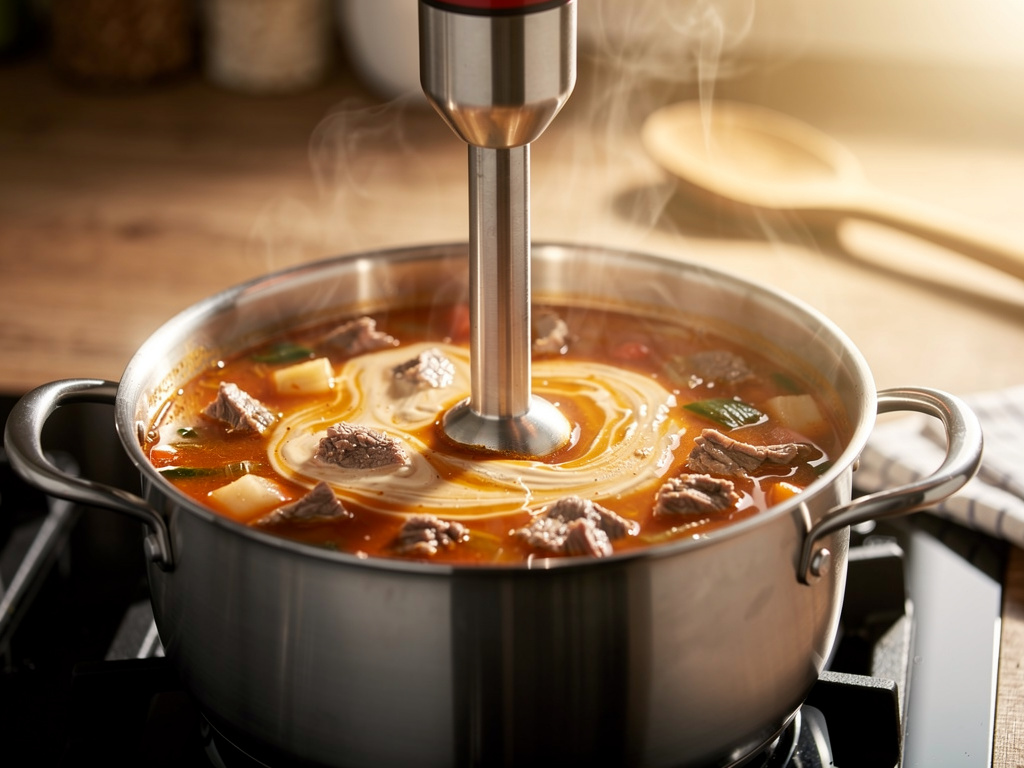
Hot and Sour Beef Soup with Lime
Aromatic Thai-inspired soup with charred beef fillet, fragrant lemongrass and coriander broth, fresh lime, and vermicelli noodles.
Nutrition per serving
Ingredients
Instructions
- Infuse broth. Bruise lemongrass and garlic. Simmer with broth, ginger, coriander root, lime zest, shallot greens, and half the chilli for 20 minutes.
- Sear beef. Brush beef with oil and sear on hot chargrill for 1 minute each side until charred but rare.
- Finish broth. Strain broth. Add fish sauce, lime juice, and sugar to taste.
- Serve. Cook noodles. Slice beef thin. Divide noodles among bowls, add broth, top with beef, herbs, and remaining chilli.
Recipe Notes
- Coriander root: Find at Asian grocers—stems can substitute in a pinch but with milder flavor.
- Beef doneness: The hot broth will continue cooking the beef slightly, bringing it to medium-rare.
- Heat level: Adjust chilli to your preference—this version is moderately spicy.
- Make it a meal: Add more noodles and vegetables like bok choy or mushrooms for a heartier dish.
More Beef Soups Recipes
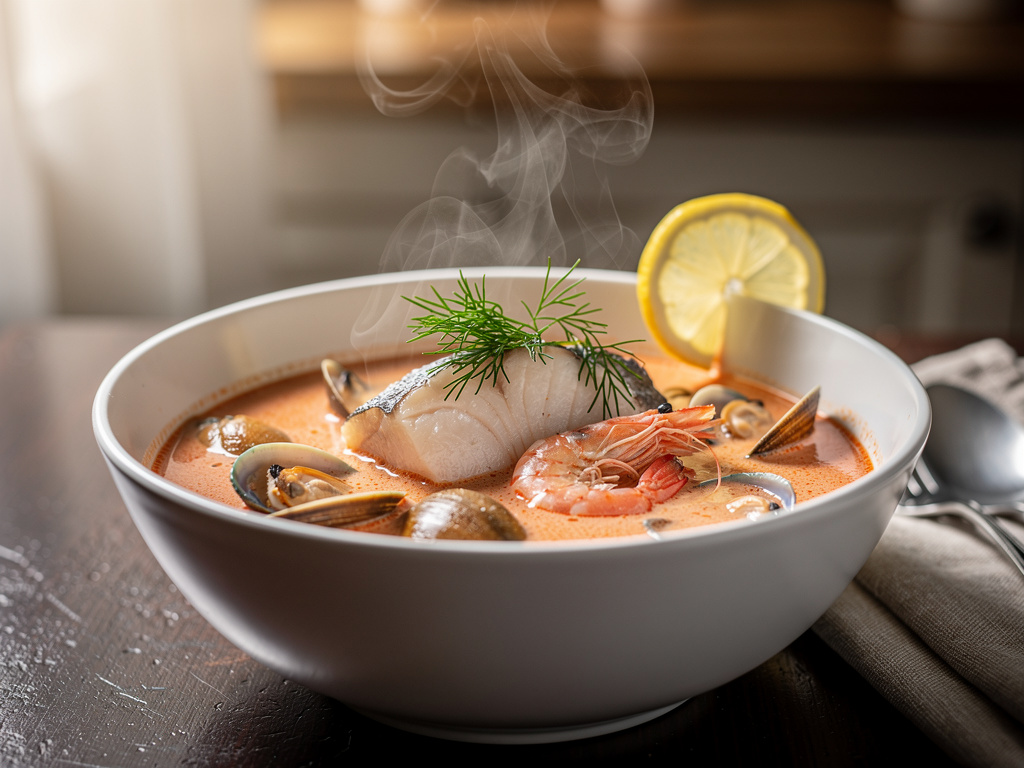
Fish and Ramen Noodle Soup
Light Japanese-inspired soup with tender white fish, ramen noodles, fresh ginger, and a savory soy b...
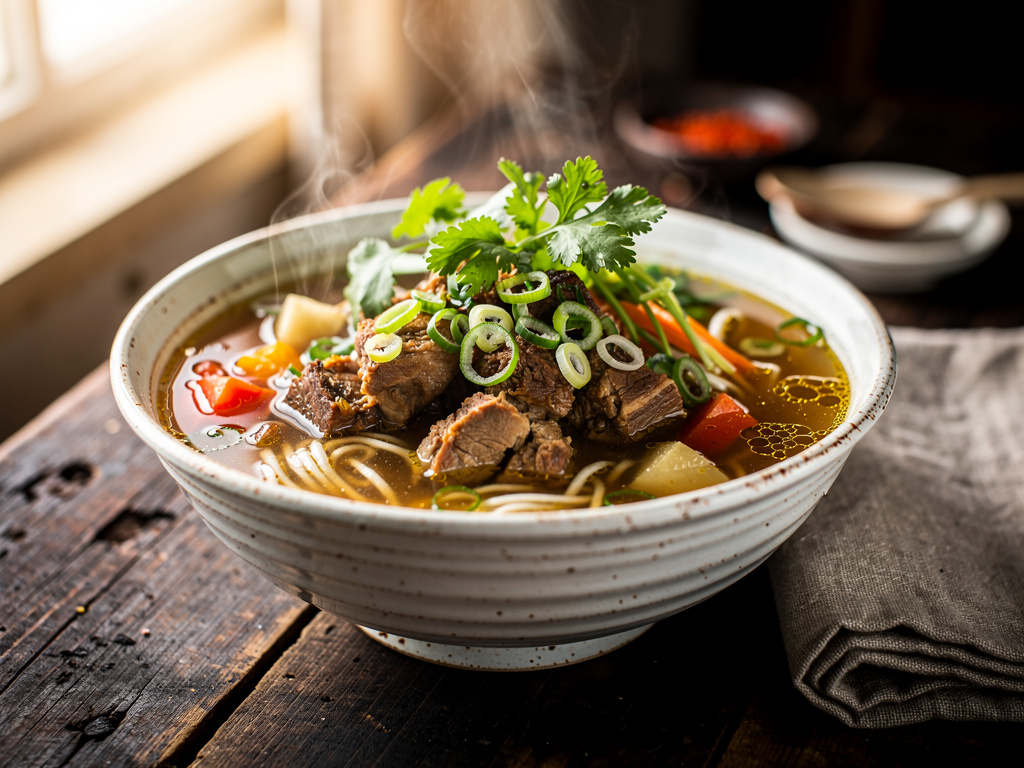
Floating Market Seafood Soup
Thai-inspired soup with white fish, tangy tamarind, aromatic lemongrass, and silky glass noodles. Br...
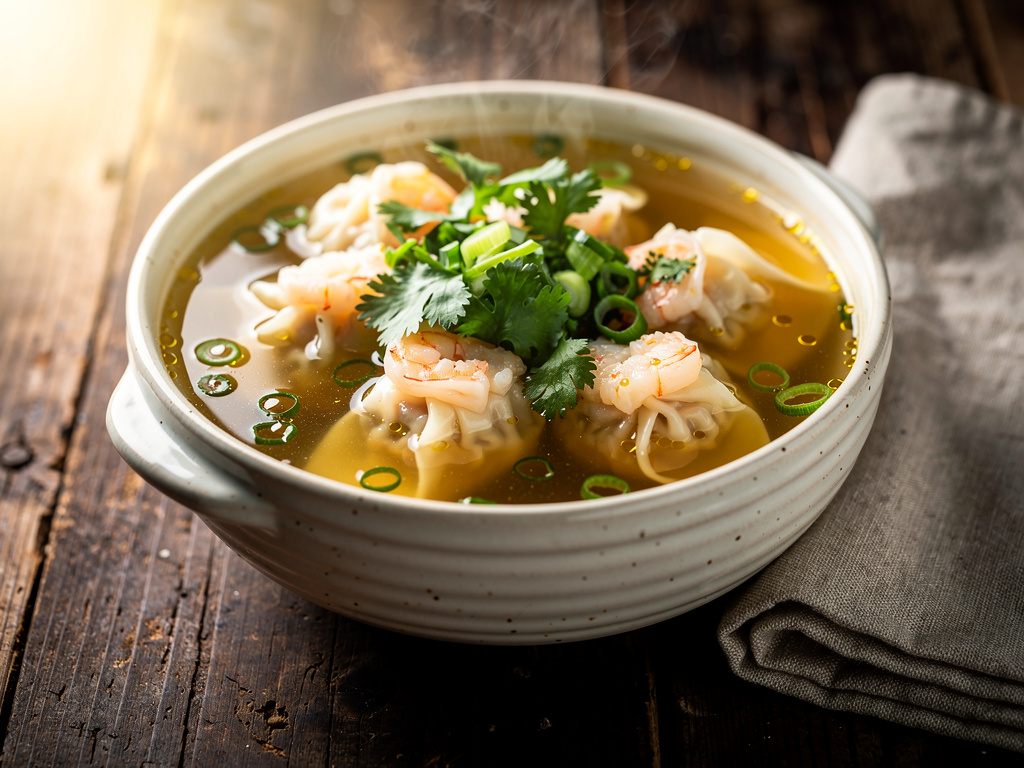
Prawn and Wonton Soup
Quick restaurant-quality Chinese soup with plump wontons, succulent prawns, Chinese BBQ pork, shiita...