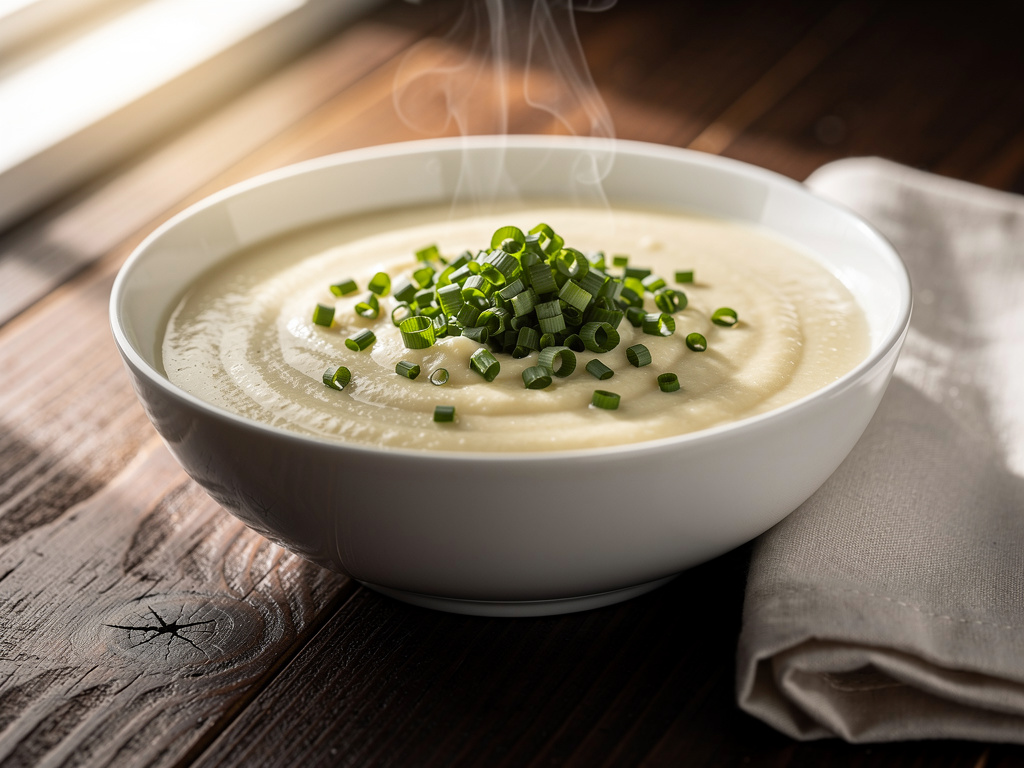
There's something almost magical about vichyssoise – this elegant cold soup transforms the humble combination of leeks and potatoes into liquid silk that's somehow both comforting and sophisticated. Unlike its rustic country cousins, vichyssoise demands patience and finesse, rewarding those who master its secrets with a soup so smooth and luxurious it practically floats across your palate. The beauty lies not just in its velvety texture, but in how the gentle sweetness of slowly sautéed leeks mingles with earthy potatoes and rich cream to create something truly transcendent.
Born from French culinary tradition but perfected in American kitchens, vichyssoise represents the pinnacle of classical soup-making technique. This isn't just any cold soup – it's a masterclass in how proper method can elevate simple ingredients into restaurant-quality elegance. The genius of vichyssoise lies in its deceptive simplicity: while the ingredient list reads like a basic potato soup, the execution requires understanding how to coax maximum flavor from each component while achieving that signature silky-smooth consistency that separates true vichyssoise from ordinary pureed soup.
The Art of Achieving Silk-Smooth Perfection
The hallmark of exceptional vichyssoise is its impossibly smooth, almost ethereal texture that coats your spoon like liquid velvet. This isn't achieved through shortcuts or modern gadgets alone – it's the result of understanding how starches behave when properly cooked and pureed. The 25-minute simmering time isn't arbitrary; it's precisely the amount of time needed to break down the potato cells completely while allowing the leeks to surrender their sweetness entirely to the broth. During this crucial cooking phase, the potatoes transform from firm chunks into creamy, starch-rich clouds that will later create the soup's characteristic body. The key is maintaining a gentle simmer – too aggressive, and you'll cloud the broth; too gentle, and the vegetables won't fully surrender their essence.
Key Ingredients & What Makes Them Special
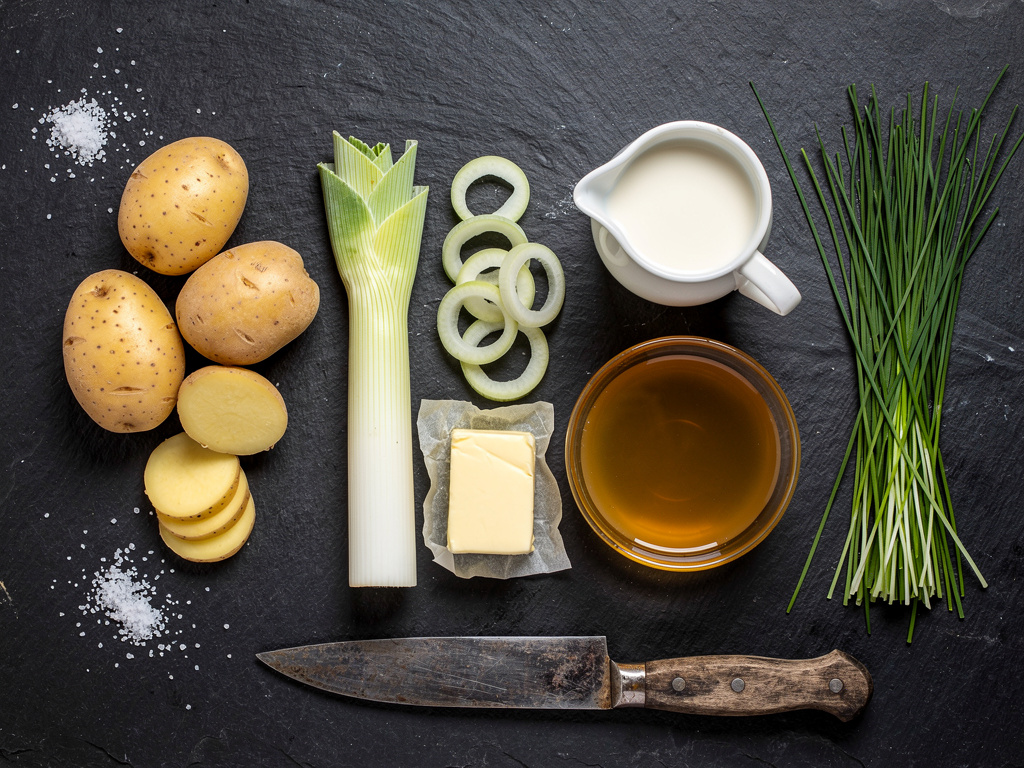
The white parts of leeks are the soul of this soup, providing a delicate onion flavor that's sweeter and more refined than regular onions could ever achieve. When selecting leeks, look for specimens with bright white bases and dark green tops – the contrast indicates freshness and proper growing conditions. The white portions contain the perfect balance of subtle pungency and natural sugars that caramelize beautifully during the initial sautéing phase, creating layers of flavor that would be impossible to achieve with yellow onions.
Your choice of potatoes dramatically impacts the final texture and flavor. Russet potatoes, with their high starch content and fluffy texture, break down completely during cooking, naturally thickening the soup while contributing an earthy sweetness that complements the leeks perfectly. Waxy potatoes like red or fingerlings would create a gluey, unpleasant texture when pureed – a rookie mistake that can ruin an otherwise perfect soup.
Heavy cream isn't just an indulgence here; it's an essential component that transforms the soup from good to extraordinary. The fat content doesn't just add richness – it creates a luxurious mouthfeel and helps stabilize the emulsion, preventing the soup from separating when chilled. The cream also mellows any remaining sharp edges from the leeks, creating that characteristic mellow, sophisticated flavor profile.
Pro Tips for the Best Results
- Master the leek preparation: Split leeks lengthwise and rinse thoroughly between layers to remove hidden grit – nothing ruins vichyssoise like sandy residue
- Control your heat: Sauté leeks over medium-low heat until they're translucent but not browned – any caramelization will muddy the soup's pristine color
- Strain for perfection: After pureeing, pass the soup through a fine-mesh sieve to remove any remaining fibrous bits and achieve restaurant-quality smoothness
- Chill completely: The minimum 4-hour refrigeration isn't just about temperature – it allows flavors to meld and the texture to reach its optimal consistency
- Season thoughtfully: Taste and adjust seasoning after chilling, as cold temperatures can mute flavors, requiring final adjustments before serving
Variations & Substitutions
For a lighter version, substitute half-and-half for heavy cream, though you'll sacrifice some of that signature richness. Vegetarian versions work beautifully using high-quality vegetable stock – just ensure it's well-seasoned and full-bodied. Those avoiding dairy can create a surprisingly creamy version using cashew cream or full-fat coconut milk, though the flavor profile will shift slightly. For an elegant twist, try adding a handful of fresh watercress during the final minutes of cooking for a subtle peppery note, or incorporate roasted garlic for deeper complexity.
Serving Suggestions
Serve vichyssoise in chilled bowls to maintain its refreshing temperature, garnished with finely snipped chives for color and a mild onion bite that echoes the soup's primary flavors. Accompany with warm, crusty French bread or delicate herb crackers that won't overpower the soup's subtle elegance. For special occasions, consider a drizzle of high-quality olive oil or a dollop of crème fraîche. This soup pairs beautifully with light salads, grilled fish, or as an sophisticated starter before roasted chicken or lamb.
Storage & Make-Ahead Tips
Vichyssoise is actually better the day after making it, as the flavors continue developing during refrigeration. Store covered in the refrigerator for up to three days – the soup may thicken slightly, so thin with additional cream or broth as needed. This soup freezes reasonably well for up to one month, though the texture may become slightly grainy after thawing. For best results when meal prepping, prepare the soup base without cream, freeze in portions, then add cream after reheating and re-chilling. Always taste and re-season before serving, as chilled soups often need final flavor adjustments.
Vichyssoise
Classic French cold potato leek soup.
Nutrition per serving
Ingredients
Instructions
- .
- .
- .
- .
More Soups Recipes
Healthy Soups
undefined...
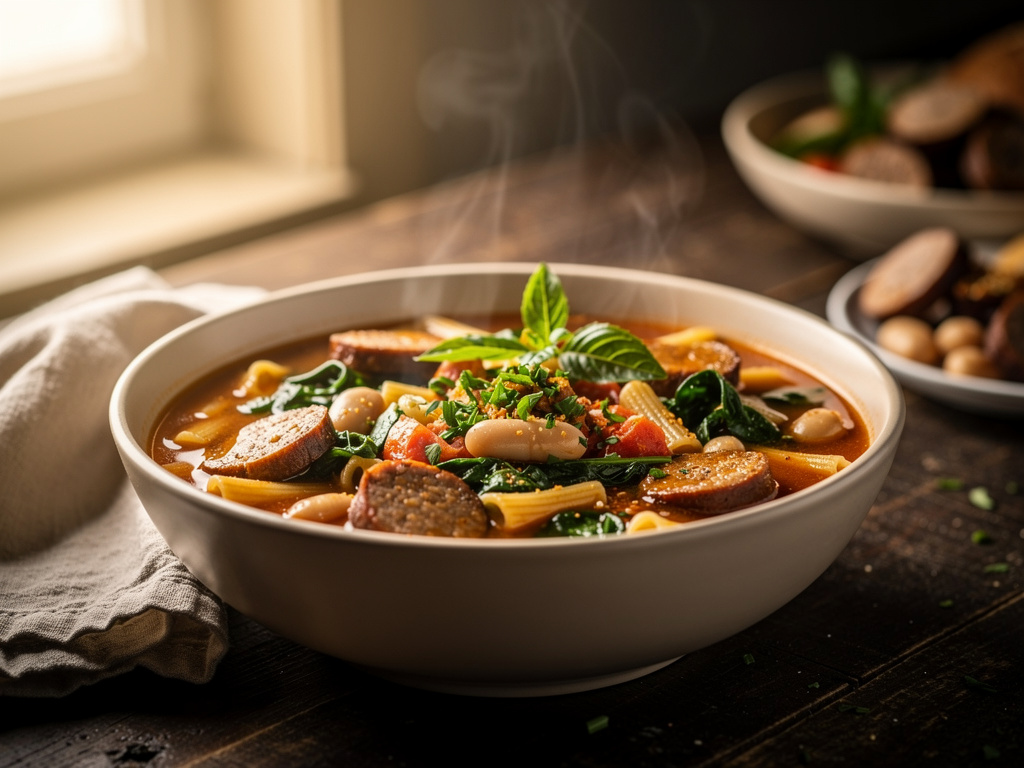
Italian Sausage Soup
Hearty Italian-style soup with spicy sausages, potatoes, tomatoes, and savoy cabbage. Comfort food a...
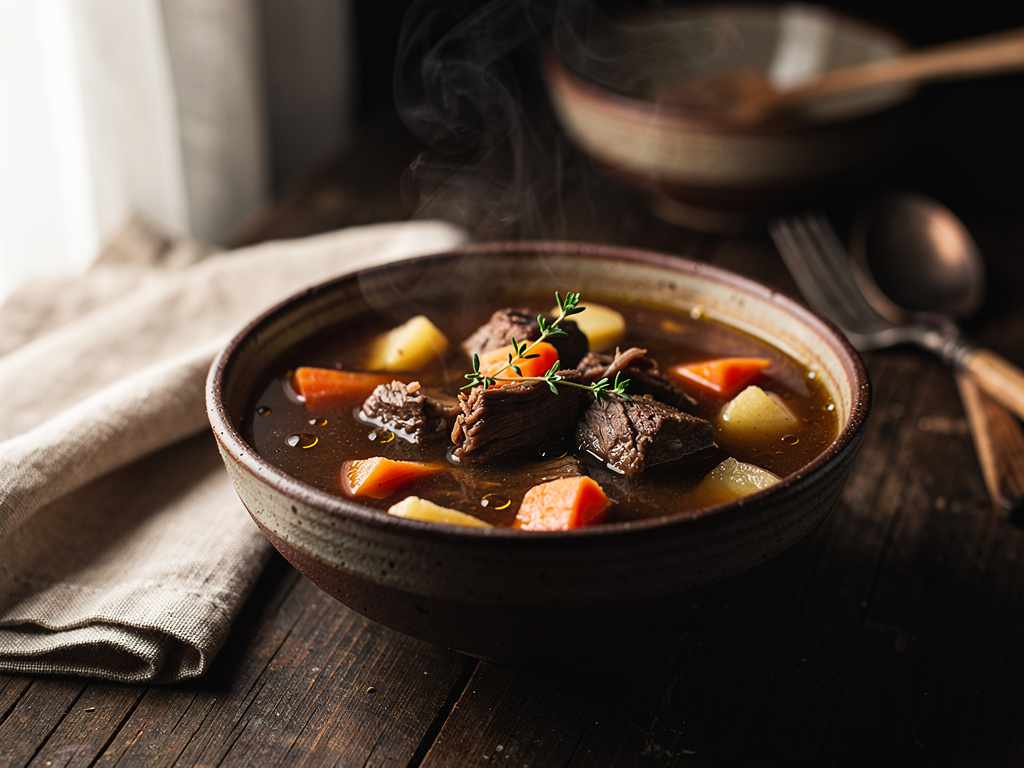
Slow Cooker Beef and Vegetable Soup
Hearty, set-it-and-forget-it soup with tender beef chuck, root vegetables, and creamy borlotti beans...