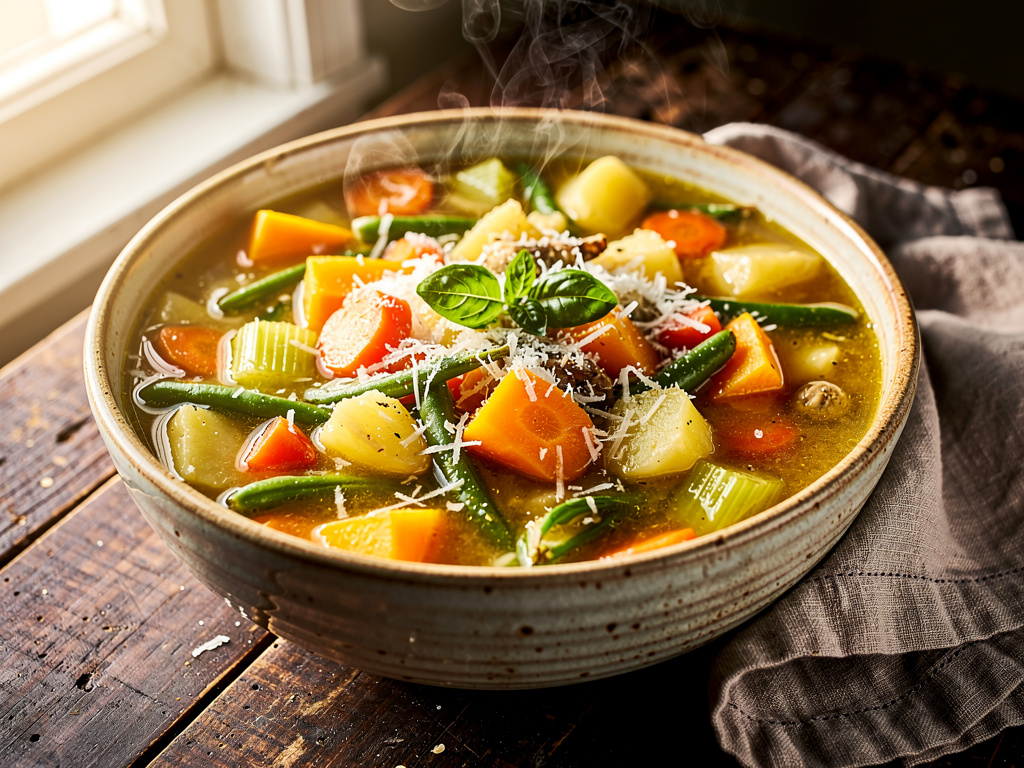
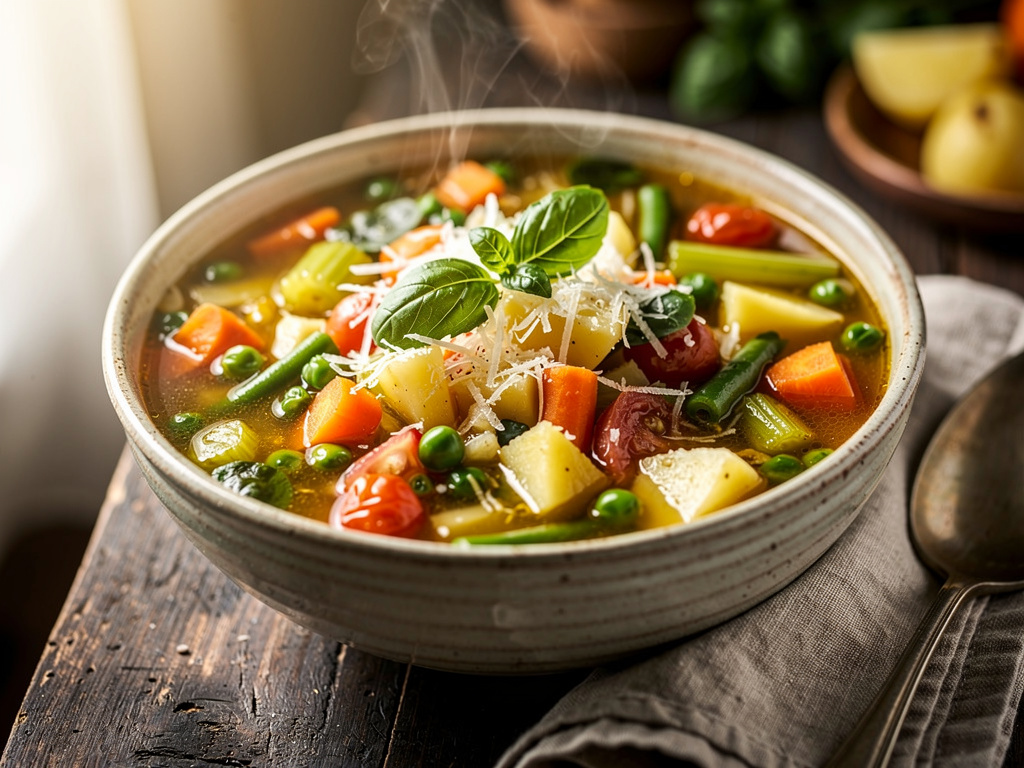
There's something magical that happens when the first crisp autumn breeze carries the promise of sweater weather and falling leaves. This Fall Vegetable Soup captures that enchanting moment perfectly, transforming humble seasonal produce into a bowl of pure comfort. The unexpected harmony of sweet butternut squash with earthy parsnips, crisp apple chunks, and fragrant sage creates a symphony of flavors that tastes like autumn itself has been ladled into your bowl.
This particular soup recipe represents the heart of American harvest cooking, where resourceful home cooks learned to celebrate the season's bounty in warming, nourishing dishes. Unlike traditional heavy cream-based fall soups, this vibrant vegetable medley lets each ingredient shine while building layers of complex flavor. The addition of fresh apple might surprise some cooks, but this technique has roots in colonial American cooking, where fruit and vegetables often shared the same pot to create balanced, satisfying meals during the colder months.
The Genius of Sweet and Savory Balance
What sets this fall vegetable soup apart from typical seasonal recipes is its masterful balance between sweet and savory elements. The butternut squash provides natural sweetness that intensifies as it simmers, while the parsnips contribute an earthy, slightly peppery note that grounds the entire dish. The diced apple serves as the surprise element – it doesn't make the soup fruity, but rather adds subtle complexity and helps bridge the flavor gap between the sweet squash and the more assertive vegetables. This combination works because the cooking process melds these distinct flavors into something entirely new, where no single ingredient dominates but each contributes to a harmonious whole.
Key Ingredients & What Makes Them Special
Butternut Squash: The star of this soup, butternut squash becomes incredibly creamy when simmered, naturally thickening the broth without need for cream or flour. Choose squash that feels heavy for its size with unblemished, matte skin. The natural sugars concentrate during cooking, creating depth that processed ingredients simply cannot match. When cubed properly into uniform pieces, it ensures even cooking and the perfect tender texture.
Fresh Sage: This isn't just an aromatic afterthought – fresh sage is absolutely crucial to this recipe's success. Unlike dried sage, which can become bitter when simmered, fresh sage leaves infuse the broth with their distinctive earthy, slightly pine-like flavor that complements both the sweet vegetables and the peppery kale. The six leaves called for in this recipe provide just enough herbaceous complexity without overwhelming the delicate vegetable flavors.
Parsnips: Often overlooked in American kitchens, parsnips are the secret weapon that elevates this soup from good to extraordinary. They look like pale carrots but offer a completely different flavor profile – slightly sweet yet peppery, with an almost nutty undertone when cooked. They also break down slightly during the simmering process, adding natural body to the broth while maintaining enough structure to provide textural interest.
Pro Tips for the Best Results
- Don't skip the butter sautéing step: Taking time to properly soften the onions and coat the vegetables with butter before adding liquid creates a flavor foundation that water or oil simply cannot replicate
- Cut vegetables uniformly: Ensure your butternut squash, parsnips, and carrots are cut into similar-sized pieces so they cook evenly and are ready at the same time
- Add kale at the very end: Kale should be stirred in during the final few minutes to maintain its vibrant color and slight bite – overcooking makes it muddy and bitter
- Season in layers: Taste and adjust seasoning after the vegetables have simmered, then again after adding the kale, as the flavors concentrate and change throughout cooking
- Use quality vegetable broth: Since broth comprises the majority of this soup's liquid base, invest in a flavorful, low-sodium version or make your own for the best results
Variations & Substitutions
For a protein boost, add cooked white beans or chickpeas during the last five minutes of simmering. Sweet potatoes can substitute for butternut squash, though they'll create a slightly different flavor profile and softer texture. If fresh sage isn't available, use half the amount of fresh thyme or a pinch of dried sage added with the vegetables. For dairy-free preparation, substitute olive oil for butter – you'll lose some richness but gain a lighter, more vegetable-forward flavor. Spinach can replace kale, though it should be added off-heat just before serving as it wilts almost instantly.
Serving Suggestions
This soup shines as a complete meal when paired with crusty sourdough bread or homemade cornbread for dipping. For a more substantial dinner, serve alongside grilled cheese sandwiches made with sharp cheddar and apple slices. The soup's natural sweetness pairs beautifully with tangy goat cheese crumbles or a dollop of Greek yogurt. For entertaining, consider serving in small portions as an elegant starter before roasted chicken or pork tenderloin. A light sprinkle of toasted pumpkin seeds adds wonderful textural contrast and reinforces the autumn theme.
Storage & Make-Ahead Tips
This soup actually improves in flavor after a day in the refrigerator, making it perfect for meal prep. Store covered for up to four days, though you may need to add a splash of broth when reheating as the vegetables continue absorbing liquid. The soup freezes well for up to three months – freeze in individual portions for quick weeknight meals. When reheating from frozen, thaw overnight in the refrigerator, then warm gently on the stovetop. If you're planning to freeze, consider slightly undercooking the vegetables initially, as they'll finish cooking during the reheating process. For make-ahead preparation, you can prep all vegetables a day in advance and store them separately in the refrigerator until ready to cook.
Fall Vegetable Soup
Hearty harvest soup with butternut squash, parsnips, kale, apples, and fresh sage. The flavors of autumn in every spoonful.
Nutrition per serving
Ingredients
Instructions
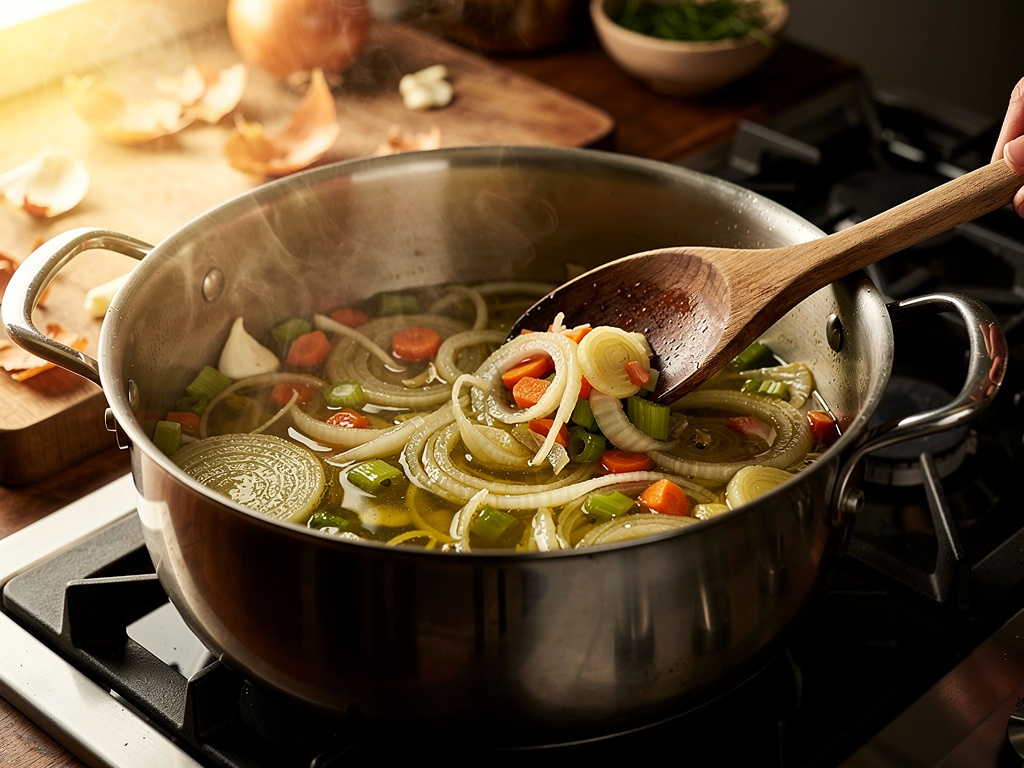
- . Melt butter in a large pot over medium heat. Add onion and cook until softened, about 5 minutes. Add garlic and cook 1 minute.
- . Add butternut squash, parsnips, carrots, apple, sage, and thyme. Stir to coat with butter.
- . Pour in broth and bring to a boil. Reduce heat and simmer 25 minutes until vegetables are tender.
- . Add kale and cook 5 minutes until wilted. Remove sage leaves. Stir in maple syrup.
- . Season with salt and pepper. Ladle into bowls and top with toasted pumpkin seeds.
Recipe Notes
- Remove sage leaves before serving
- Use firm-sweet apples like Honeycrisp or Fuji
- This soup freezes well for up to 3 months
More Fall Vegetable Soup Recipes
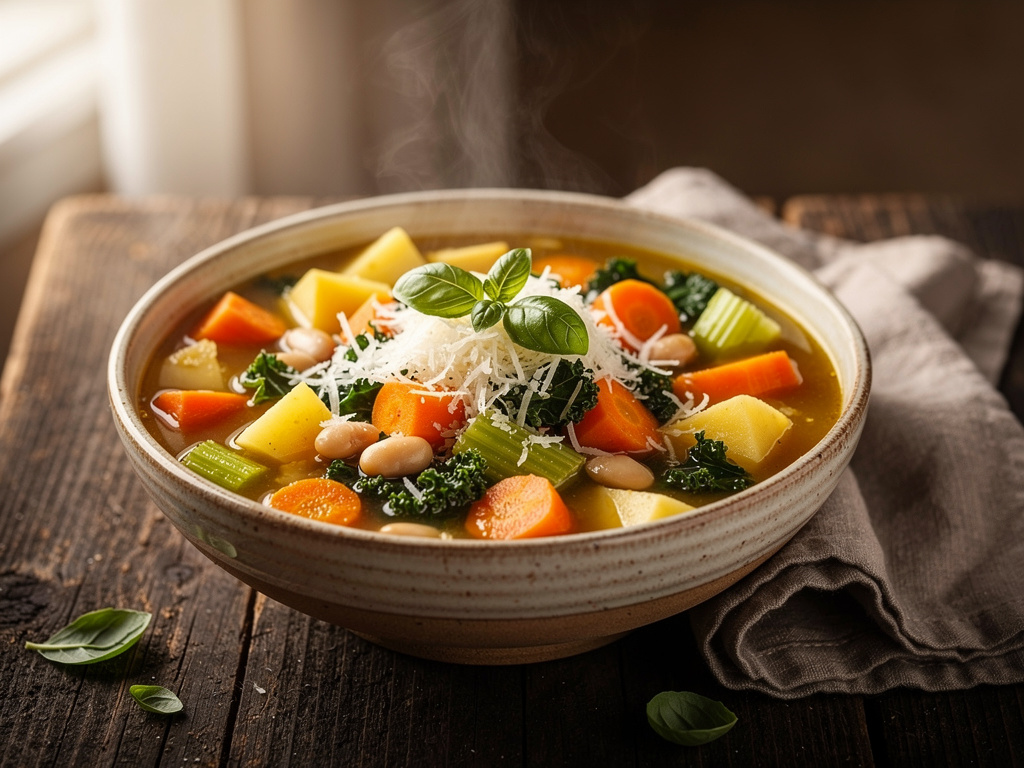
Winter Vegetable Soup
Hearty warming soup with turnips, rutabaga, carrots, potatoes, and cabbage. The ultimate cold-weathe...
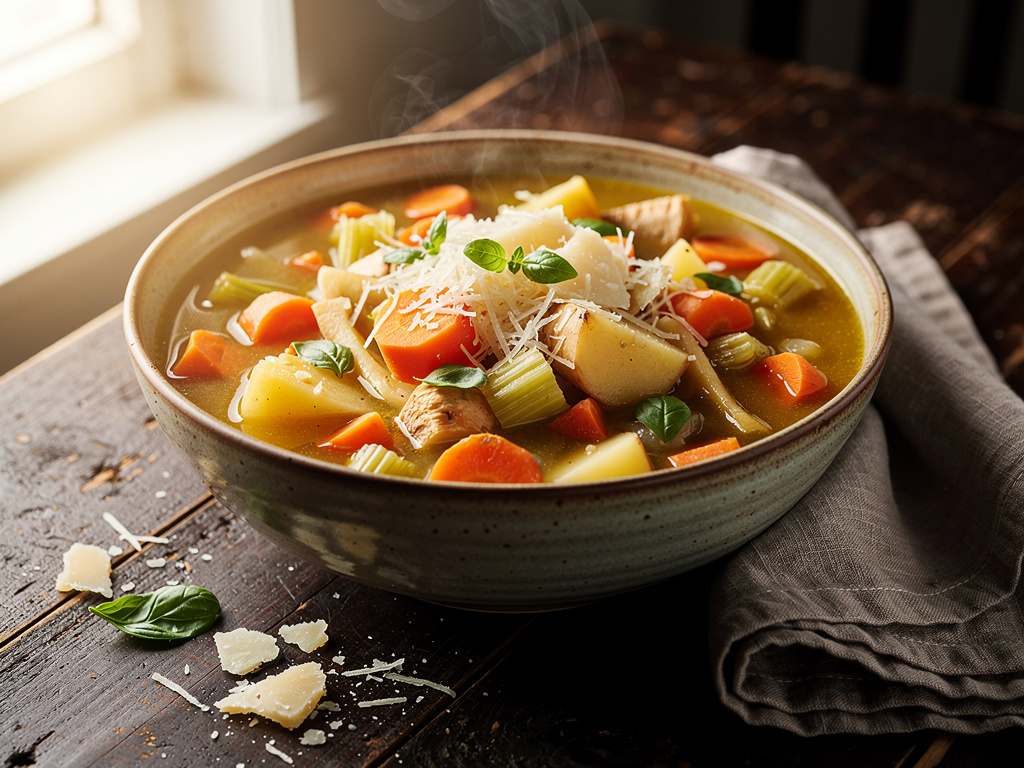
Root Vegetable Soup
Hearty, earthy soup featuring roasted carrots, parsnips, celery root, turnips, and sweet potatoes in...
Hearty Vegetable Soup
Filling vegetable soup packed with root vegetables, white beans, and hearty greens. A complete meal ...