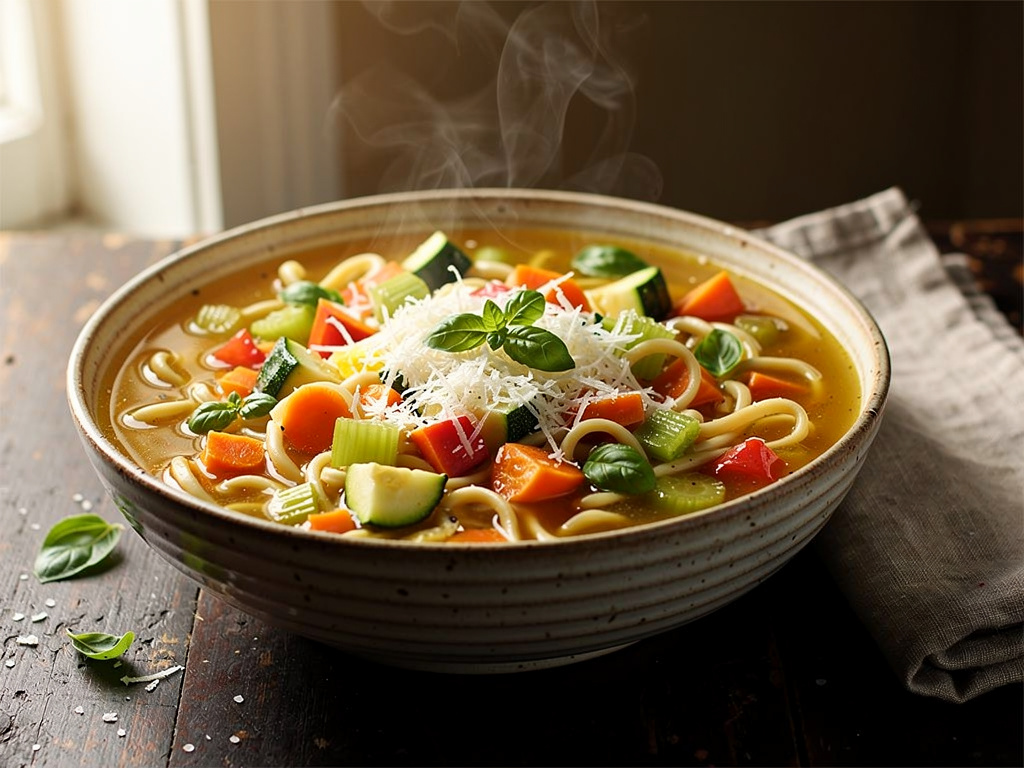
There's something undeniably magical about the way wide egg noodles curl and dance in a steaming bowl of vegetable soup, each ribbon capturing pockets of aromatic broth while tender carrots and celery provide satisfying bursts of color and crunch. This isn't just any vegetable soup—it's a masterfully balanced symphony where the richness of butter-sautéed aromatics meets the brightness of fresh dill and the comforting embrace of perfectly cooked egg noodles. Unlike lighter vegetable broths, this hearty version creates a meal substantial enough to satisfy even the most discerning appetites while maintaining that clean, wholesome flavor that makes you feel nourished from the inside out.
Vegetable noodle soup holds a cherished place in American comfort food traditions, serving as the plant-based cousin to classic chicken noodle soup. This particular recipe represents the evolution of Depression-era cooking, when resourceful home cooks learned to create deeply satisfying meals from simple, affordable ingredients. The addition of wide egg noodles transforms what might otherwise be a light vegetable broth into a substantial, stick-to-your-ribs meal that's become a staple in vegetarian households and anyone seeking a lighter alternative to meat-based soups without sacrificing flavor or satisfaction.
The Foundation: Building Layers of Flavor
The secret to this soup's exceptional depth lies in the careful progression of cooking techniques, starting with the holy trinity of onions, carrots, and celery sautéed in butter. This mirepoix base creates what French chefs call a "fond"—those golden, caramelized bits that develop on the bottom of the pot during the initial sautéing process. When you add the vegetable broth, these concentrated flavors dissolve and distribute throughout the liquid, creating a complexity that would be impossible to achieve by simply throwing everything together. The five-minute sautéing window is crucial—too short and you miss the flavor development, too long and the vegetables become mushy before the soup is even assembled.
Key Ingredients & What Makes Them Special
The choice of wide egg noodles isn't arbitrary—their substantial width and thickness allow them to hold up beautifully in the soup without becoming mushy or disappearing into the broth. Unlike thin pasta that can quickly overcook, wide egg noodles maintain their texture and provide satisfying bites that make this soup feel like a complete meal. The eggs in the pasta also contribute richness that complements the butter base perfectly.
Fresh dill serves as this recipe's signature ingredient, providing a bright, herbaceous note that cuts through the richness and adds complexity you won't find in typical vegetable soups. Dill's unique flavor profile—simultaneously fresh and slightly tangy—pairs exceptionally well with the earthiness of the sautéed vegetables and creates an almost pickle-like brightness that keeps each spoonful interesting.
The frozen peas might seem like a simple addition, but they're strategically added at the end to maintain their vibrant color and slight firmness. This creates textural contrast against the tender noodles and carrots while adding natural sweetness that balances the savory elements beautifully.
Pro Tips for the Best Results
- Don't skip the butter sauté step—this initial cooking process in fat allows the vegetables to release their flavors and develop that crucial caramelized foundation that water-based cooking simply cannot achieve
- Add noodles directly to the broth rather than cooking them separately, as this allows the pasta to absorb the soup's flavors while releasing just enough starch to give the broth body
- Watch your noodle timing carefully—aim for al dente since they'll continue cooking slightly in the hot broth even after you remove the pot from heat
- Reserve the dill until serving to maintain its bright flavor and prevent it from becoming muddy or losing its vibrant color during cooking
- Taste and adjust seasoning at the end—the vegetables and noodles will absorb some of the broth's seasoning as they cook, so final adjustments ensure perfect flavor balance
Variations & Substitutions
For those following gluten-free diets, substitute the egg noodles with rice noodles or gluten-free pasta, though cooking times may vary. Vegan cooks can replace the butter with olive oil and use plant-based noodles, though the flavor profile will be lighter. Consider adding mushrooms for extra umami, or swap the peas for green beans or corn for different textures. Those wanting more protein can incorporate white beans or chickpeas, while herb lovers might experiment with fresh parsley or chives alongside or instead of the dill.
Serving Suggestions
This substantial soup pairs beautifully with crusty sourdough bread or simple dinner rolls for dipping. A light green salad with vinaigrette provides nice contrast to the soup's richness, while grilled cheese sandwiches create the ultimate comfort food combination. For a more elegant presentation, serve in warmed bowls with a dollop of sour cream and extra fresh dill. The soup also works wonderfully as a starter before roasted vegetables or a simple pasta dish.
Storage & Make-Ahead Tips
This soup stores well in the refrigerator for up to four days, though the noodles will continue to absorb liquid and soften over time. For best results when meal prepping, consider cooking the noodles separately and adding them to individual portions when reheating. The soup freezes adequately for up to three months, but texture changes are inevitable—the noodles may become softer and the vegetables more tender. When reheating, add a splash of additional broth if needed, and always refresh with newly chopped dill for optimal flavor and visual appeal.
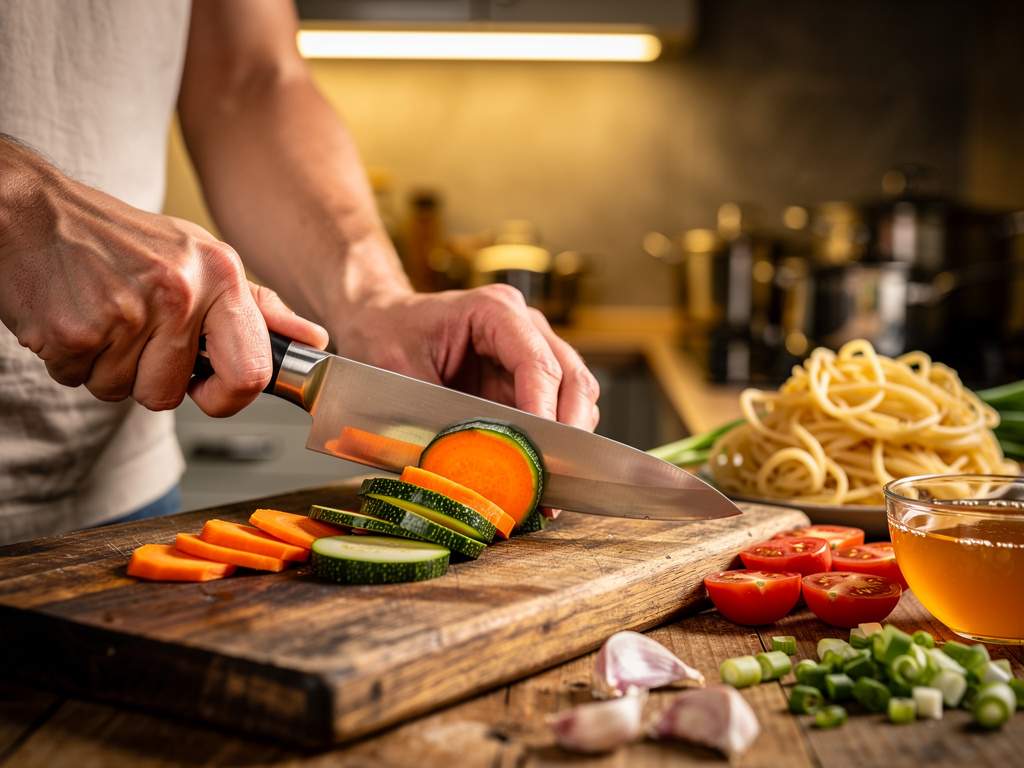
Vegetable Noodle Soup
Comforting vegetable soup with tender egg noodles, carrots, celery, and peas. Fresh dill adds brightness to this classic comfort food.
Nutrition per serving
Ingredients
Instructions
- . Melt butter in a large pot over medium heat. Add onion, carrots, and celery. Cook 5 minutes until softened. Add garlic and cook 1 minute.
- . Add broth, bay leaves, and thyme. Bring to a boil.
- . Add egg noodles. Cook according to package directions until al dente, about 8-10 minutes.
- . Add peas in the last 2 minutes. Remove bay leaves. Stir in fresh dill. Season with salt and pepper. Serve garnished with parsley.
Recipe Notes
- Cook noodles separately if making ahead
- Fresh dill is essential—add at the very end
- Best served immediately; noodles absorb broth as they sit
More Vegetable Noodle Soup Recipes
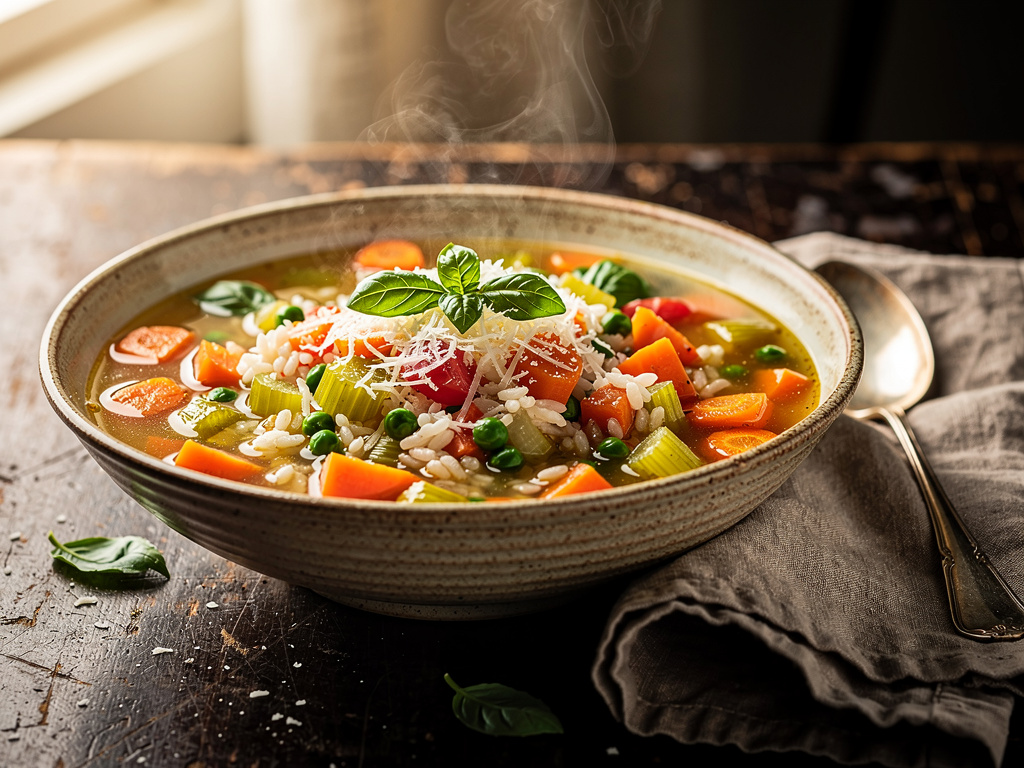
Vegetable Rice Soup
Satisfying vegetable soup with tender long-grain rice, mixed vegetables, and a bright finish of lemo...
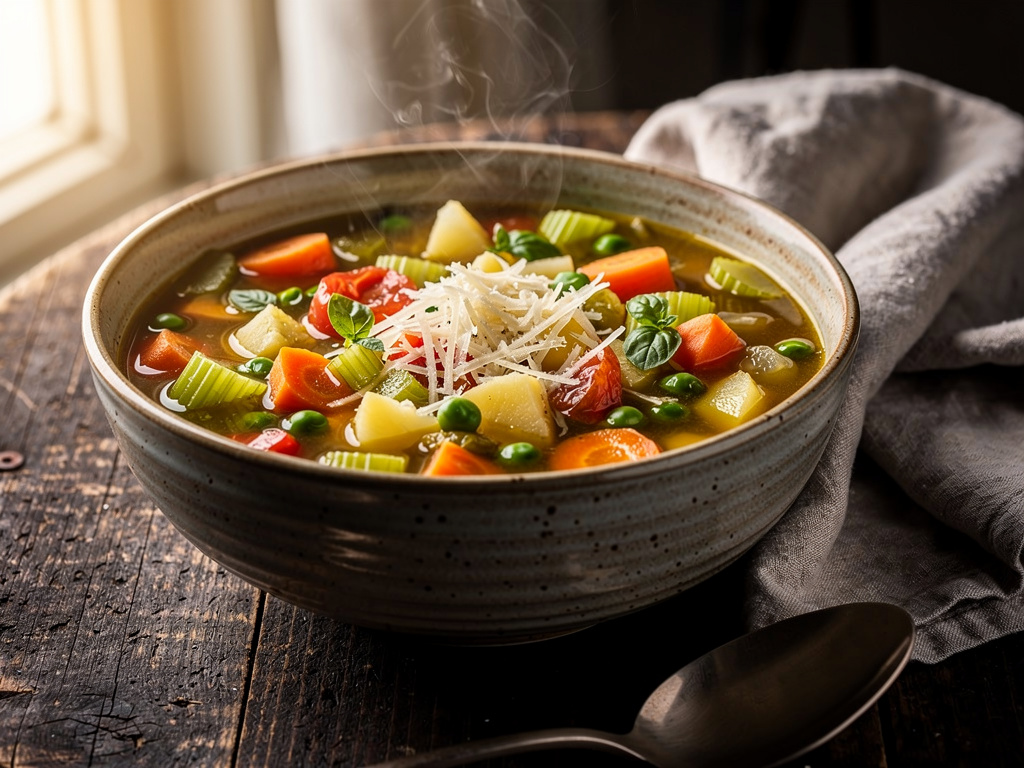
Homestyle Vegetable Soup
Classic American soup with carrots, celery, potatoes, green beans, peas, and corn in a rich tomato-b...
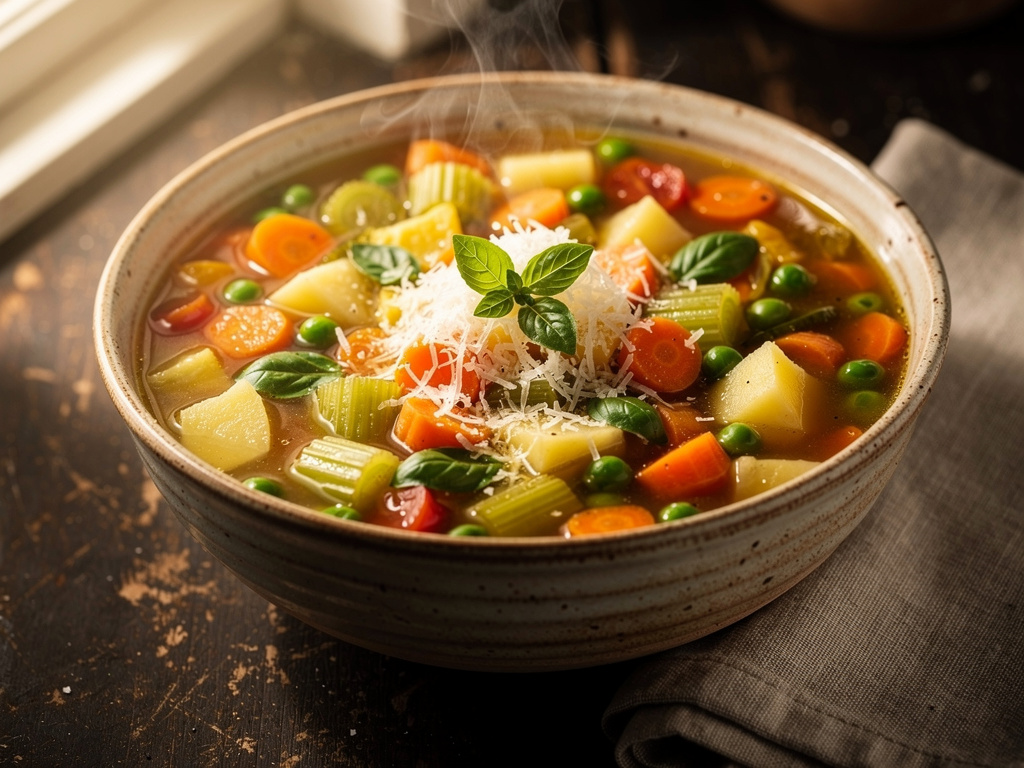
Classic Vegetable Soup
Timeless vegetable soup with carrots, celery, potatoes, and tomatoes in savory broth. A family favor...