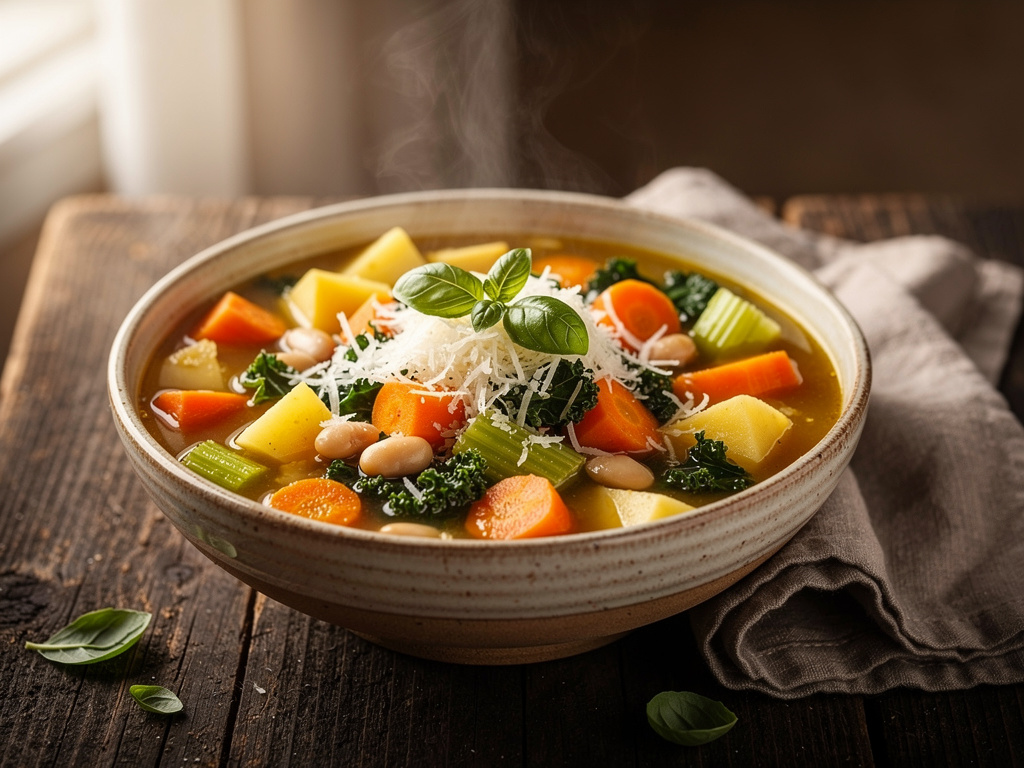
There's something magical about the way winter root vegetables transform under gentle heat, releasing their earthy sweetness into a pot of bubbling broth. This Winter Vegetable Soup isn't just another vegetable medley – it's a carefully orchestrated symphony of turnips, rutabaga, carrots, potatoes, and cabbage that creates layers of flavor most home cooks never knew were possible. Each spoonful delivers the kind of soul-warming satisfaction that only comes from vegetables that have spent months storing up sugars beneath the frost.
This hearty American-style soup represents the ingenious tradition of cold-weather cooking that emerged from necessity and blossomed into comfort food gold. Before modern transportation brought us year-round produce, cooks relied on sturdy root vegetables and hardy cabbages that could weather winter storage. What began as practical cooking has evolved into this perfectly balanced bowl that celebrates the natural sweetness and complex flavors that only winter vegetables can provide. Unlike spring's delicate greens or summer's bright tomatoes, these robust ingredients create a soup with serious staying power – both nutritionally and in terms of pure satisfaction.
Why This Vegetable Combination Creates Magic
The secret to this soup's incredible depth lies in the strategic pairing of root vegetables that complement rather than compete with each other. Turnips bring a subtle peppery bite that awakens the palate, while rutabaga contributes an almost honey-like sweetness that deepens as it cooks. The carrots provide familiar comfort and natural sugars, potatoes offer hearty substance and help thicken the broth naturally, and the cabbage adds a fresh, slightly mineral note that prevents the soup from becoming too heavy. This isn't accidental – these vegetables have been winter companions for centuries, and their flavors have evolved to work in perfect harmony. The 25-minute simmering time allows each vegetable to soften while maintaining its distinct character, creating textural interest in every spoonful.
Key Ingredients & What Makes Them Special
The rutabaga deserves special recognition as the unsung hero of this soup. Often overlooked in American kitchens, this purple-topped root vegetable transforms completely when cooked, losing any raw bitterness and developing a sweet, almost butterscotch-like flavor that serves as the soup's flavor foundation. When selecting rutabaga, choose smaller ones that feel heavy for their size – they'll be sweeter and less woody than larger specimens.
Fresh thyme sprigs make an enormous difference compared to dried herbs in this recipe. The woody stems release oils slowly during the long simmer, infusing the broth with a subtle earthiness that perfectly complements the root vegetables. The key is adding the whole sprigs early so they can work their magic throughout the cooking process, then removing them before serving to avoid any bitter woody flavors from overcooking.
The butter-based foundation might seem simple, but it's crucial for developing the soup's rich mouthfeel. Cooking the diced onion in butter until softened creates the aromatic base, while briefly sautéing the root vegetables in that same butter helps them caramelize slightly and prevents them from simply boiling in the broth – a step that adds significant depth to the final flavor profile.
Pro Tips for the Best Results
- Cut vegetables uniformly: Aim for 1-inch cubes on all root vegetables so they cook evenly and finish at the same time
- Don't skip the garlic timing: Adding minced garlic after the onions have softened prevents it from burning and becoming bitter
- Add cabbage at the right moment: Stir in the shredded cabbage during the last 10 minutes to maintain some texture and prevent it from becoming mushy
- Taste and adjust seasoning: Root vegetables can vary in natural saltiness, so always taste before serving and adjust with salt and pepper as needed
- Let it rest: This soup actually improves after sitting for 10-15 minutes off the heat, allowing flavors to meld and the temperature to become perfect for eating
Variations & Substitutions
For a protein boost, stir in a can of white beans or chickpeas during the last 10 minutes of cooking. Vegetarians can enhance the umami factor by adding a tablespoon of tomato paste along with the garlic, or stirring in a splash of soy sauce at the end. Those avoiding nightshades can substitute the potatoes with extra rutabaga or parsnips for similar heartiness.
Fresh herb variations work beautifully – try rosemary instead of thyme for a more aromatic profile, or add fresh sage leaves in the final minutes for an earthy finish. For those who enjoy heat, a pinch of red pepper flakes added with the garlic creates a gentle warmth that complements the sweet vegetables perfectly.
Serving Suggestions
This substantial soup pairs wonderfully with crusty sourdough bread or warm buttermilk biscuits for dunking. A dollop of sour cream or Greek yogurt adds richness and tang that plays beautifully against the sweet vegetables. For a more elegant presentation, drizzle with good olive oil and sprinkle with fresh herbs just before serving.
Consider serving alongside a simple green salad with vinaigrette to cut through the soup's richness, or pair with grilled cheese sandwiches made with sharp cheddar for the ultimate comfort food combination. The soup's hearty nature makes it perfect as a main course for lunch or a satisfying starter for dinner.
Storage & Make-Ahead Tips
This soup is a meal-prep champion, storing beautifully in the refrigerator for up to five days and actually improving in flavor as it sits. The vegetables continue to release their flavors into the broth, creating an even more cohesive taste. When reheating, add a splash of broth or water if needed, as the potatoes and cabbage will absorb liquid over time.
For freezing, this soup keeps for up to three months, though the potato texture may become slightly softer after thawing. Consider making a double batch and freezing half in portion-sized containers for quick weeknight meals. When ready to serve, thaw overnight in the refrigerator and reheat gently on the stovetop, stirring occasionally to prevent sticking.
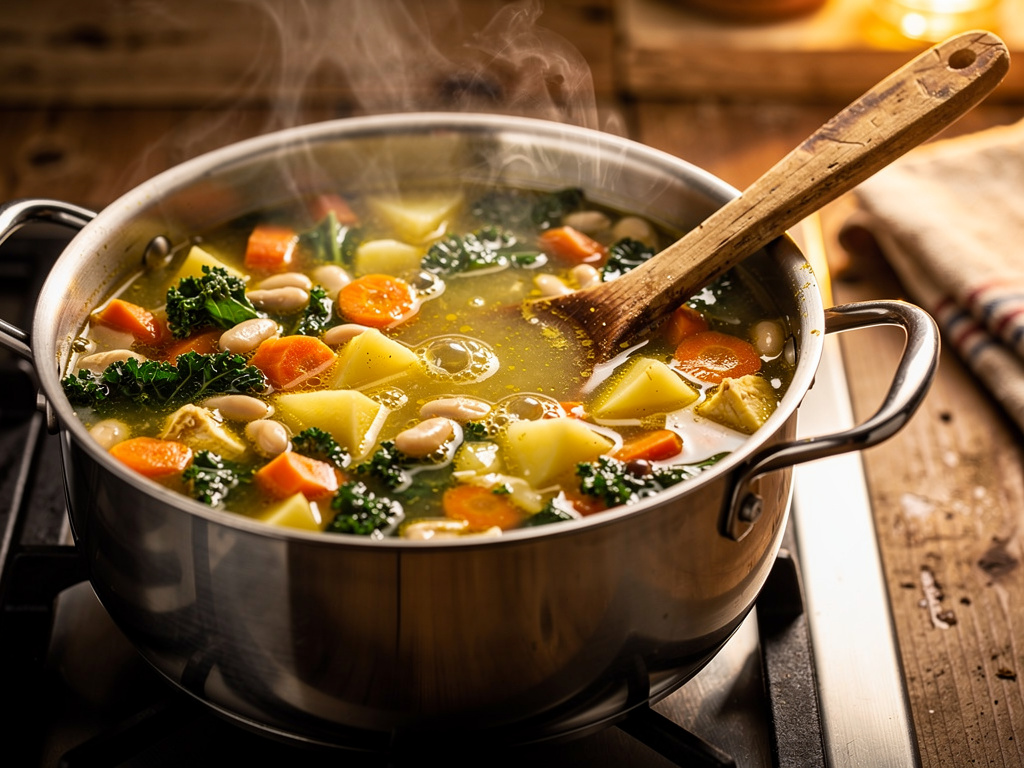
Winter Vegetable Soup
Hearty warming soup with turnips, rutabaga, carrots, potatoes, and cabbage. The ultimate cold-weather comfort food.
Nutrition per serving
Ingredients
Instructions
- . Melt butter in a large pot over medium heat. Add onion and cook until softened, about 5 minutes. Add garlic and cook 1 minute.
- . Add turnips, rutabaga, carrots, and potatoes. Stir to coat with butter and cook 3 minutes.
- . Add broth, thyme, bay leaves, and pepper. Bring to a boil, then reduce heat and simmer 25 minutes until vegetables are nearly tender.
- . Add cabbage and cook 10 minutes until wilted and tender. Remove thyme sprigs and bay leaves.
- . Season with salt and pepper. Ladle into bowls and garnish with parsley. Serve with crusty bread.
Recipe Notes
- Cut vegetables to similar sizes for even cooking
- Simmer gently—don't boil vigorously
- This soup improves overnight in the refrigerator
More Winter Vegetable Soup Recipes
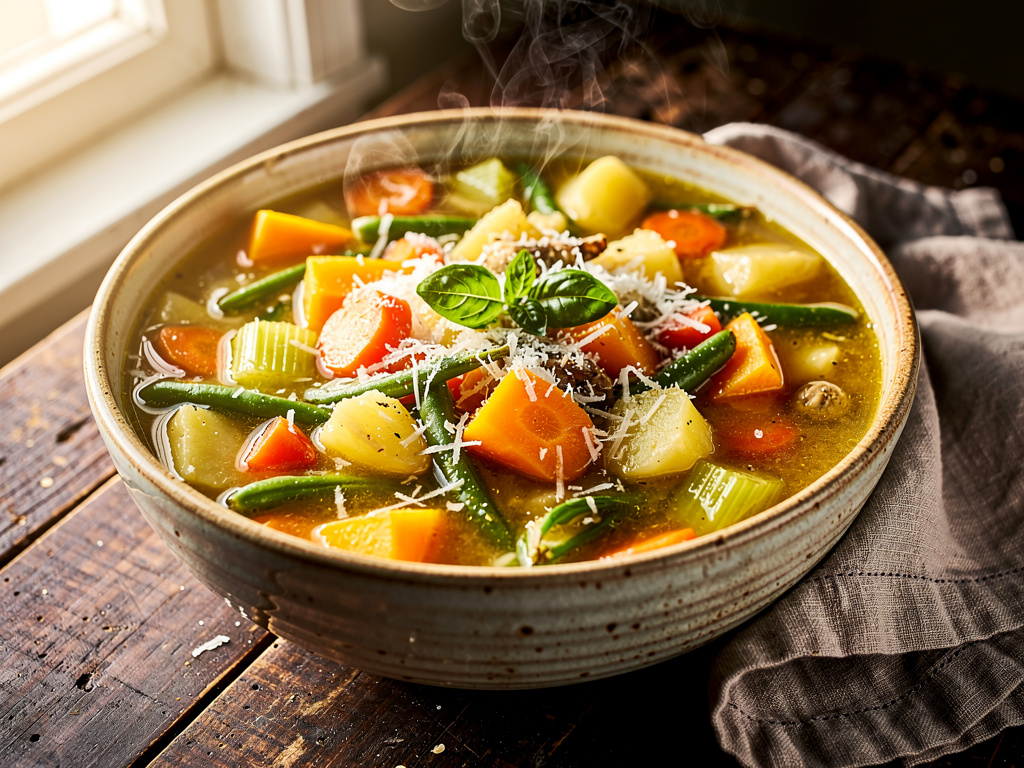
Fall Vegetable Soup
Hearty harvest soup with butternut squash, parsnips, kale, apples, and fresh sage. The flavors of au...
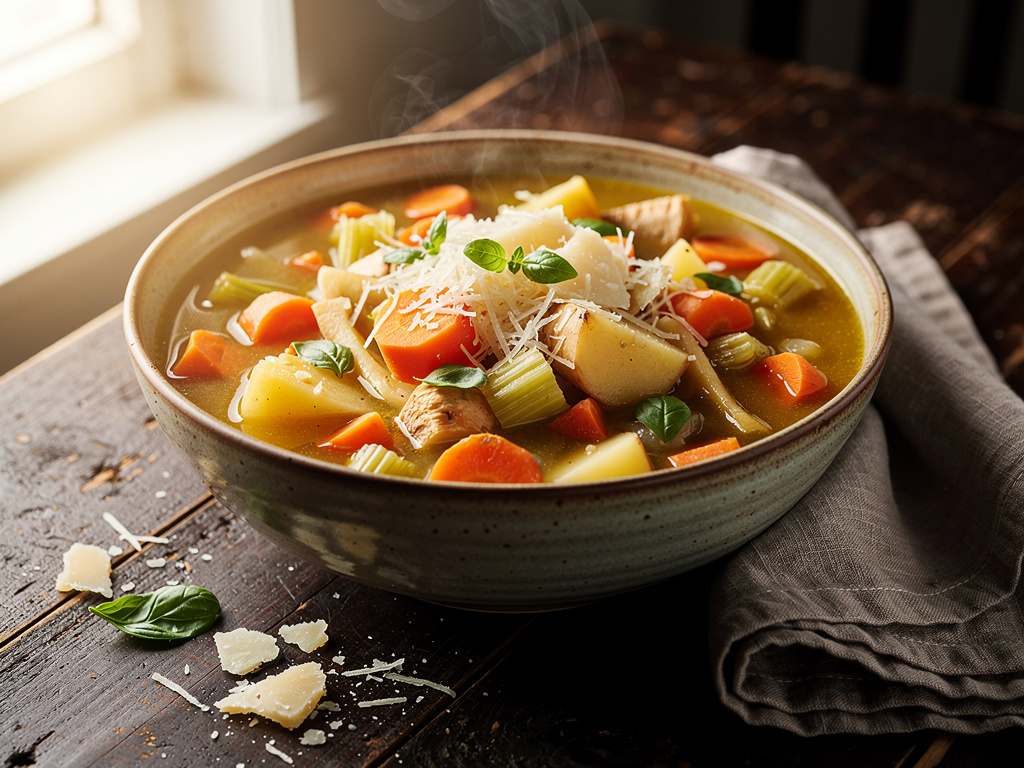
Root Vegetable Soup
Hearty, earthy soup featuring roasted carrots, parsnips, celery root, turnips, and sweet potatoes in...
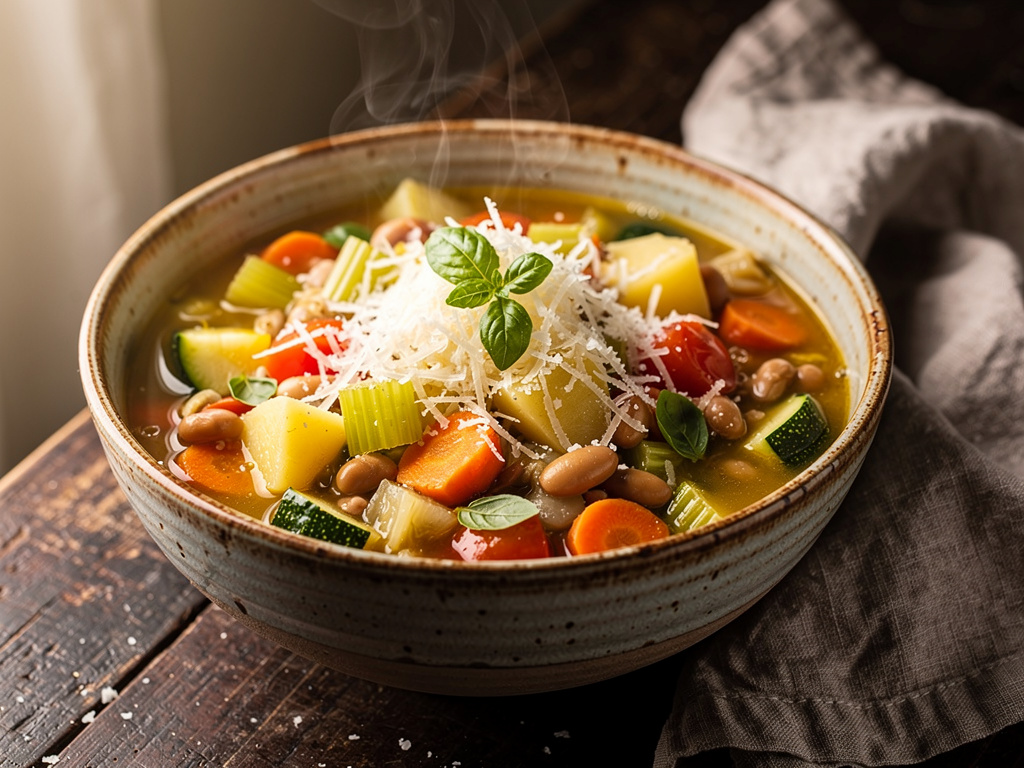
Rustic Vegetable Soup
Farmhouse-style soup with turnips, parsnips, leeks, and fresh thyme. Simple, honest countryside comf...